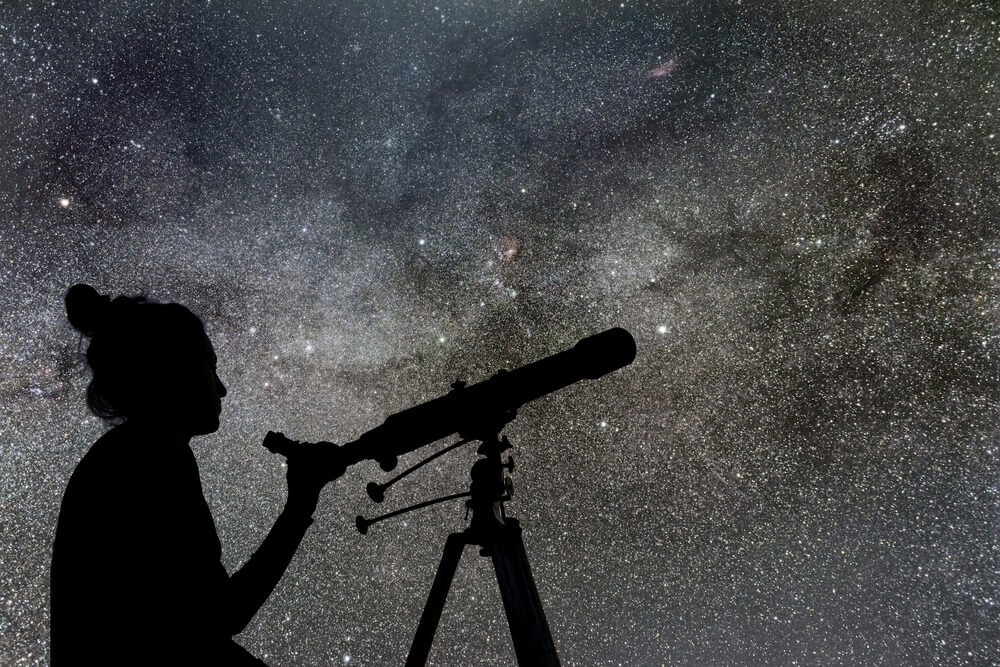
Stargazing in Utah offers some of the darkest, clearest night skies in the world, with countless parks and high-desert viewpoints that make it easy to find unforgettable star-filled views.
Key Takeaways
- Utah has more certified Dark Sky Parks and Communities than any other state, with protected night skies found in national parks, state parks, and small towns across the state.
- If you’re looking for a great place to stargaze in Utah, start with Zion National Park, Bryce Canyon, Capitol Reef, Arches, Canyonlands, and Dead Horse Point.
- Late spring through early fall is the best time for Utah stargazing because the nights are warm and the skies are typically clear.
From red rock deserts to alpine peaks, stargazing in Utah feels bigger and brighter than almost anywhere else. Wide-open spaces, high elevations, and protected lands give you skies that seem to stretch forever. Whether you’re camping in one of Utah’s national forests or staying at an RV park near Zion, this guide will help you find jaw-dropping, star-filled skies.
Why Is Stargazing in Utah So Popular?
Utah has more certified dark sky spots than anywhere else in the world. That’s because much of the state is filled with wide-open deserts and mountain ranges far from city lights.
Elevation also plays a role. Many of the state’s dark sites sit thousands of feet above sea level, where the air is thinner and clearer. That clarity gives you sharper views of stars, planets, and even the Milky Way stretching across the sky.
Utah’s dry climate helps, too. With fewer humid nights, there’s less haze to blur your view. On a clear evening, the sky can feel deep and endless, almost close enough to touch.
What Are the Best Places To Stargaze in Utah?
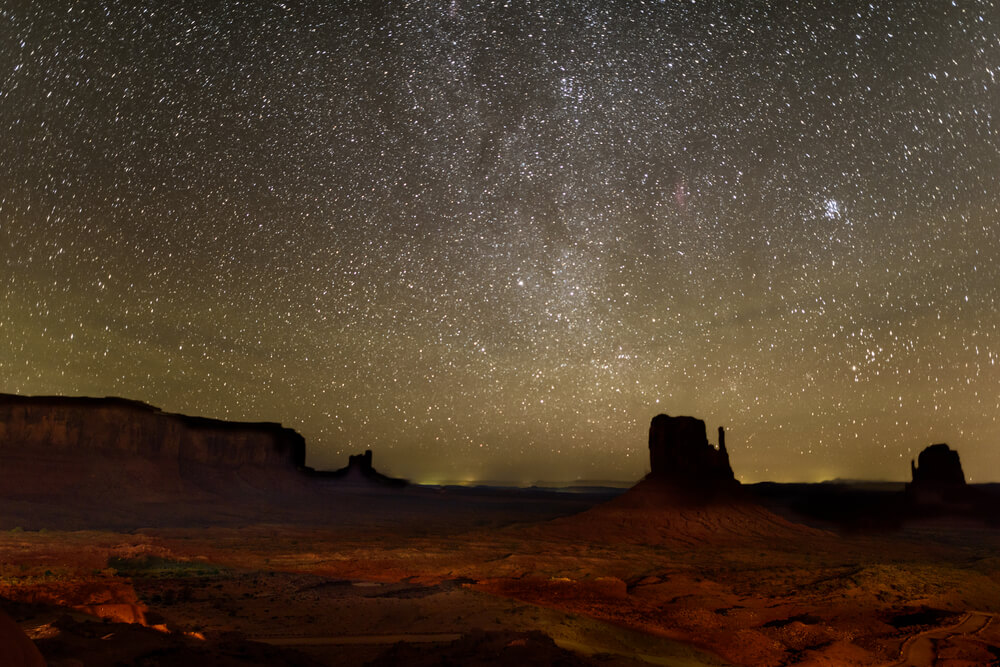
Utah is packed with incredible night sky spots that are perfect for stargazing. Here are a few standouts you’ll want to add to your list.
Zion National Park
Zion National Park offers stunning night skies once the sun drops behind the canyon walls. Campgrounds and scenic viewpoints give you great places to sit back and watch.
Nearby Springdale, Utah, the gateway town to Zion, is also known for protecting its dark skies by using shielded, low-impact lighting and limiting light pollution throughout town. Because of its thoughtful lighting, you can enjoy impressive stargazing without driving far.
Bryce Canyon National Park
Bryce Canyon National Park is famous for its hoodoos by day, but at night it becomes something else entirely. On clear, moonless nights, you can see up to 7,500 stars. The park even hosts an annual Astronomy Festival and one of the nation’s oldest astronomy programs.
Capitol Reef
Capitol Reef National Park feels remote and peaceful, with long stretches of open desert and very few crowds once the sun goes down. As daylight fades, the cliffs turn deep red and purple before giving way to a sky full of stars.
Pair your visit with a stay in Torrey, Utah, a certified Dark Sky Community just minutes from the park entrance. The town has taken real steps to reduce light pollution, so even from your hotel or cabin porch, you can look up and see the Milky Way. Together, the park and town offer wide horizons, quiet nights, and some of the clearest star views in southern Utah.
Moab
Southeastern Utah is a stargazer’s dream. This region is home to some of the most iconic Utah national parks and unforgettable red rock landscapes. After sunset, these parks turn into open-air observatories:
- Arches National Park
- Canyonlands National Park
- Dead Horse Point State Park
All offer deep darkness and wide horizons. With very little light pollution, you can see thousands of stars shining over some of Utah’s most breathtaking desert views.
When Is the Best Time of Year To Go Stargazing in Utah?
You can stargaze in Utah all year, but late spring through early fall is prime time. Nights are warmer, roads are easier to access, and many parks host ranger-led star programs during the summer.
Summer stargazing is especially popular in Utah because the Milky Way is bright and easy to see. On moonless nights, it looks like a glowing river across the sky.
How Can You Stargaze in Utah If You’re Near a City?
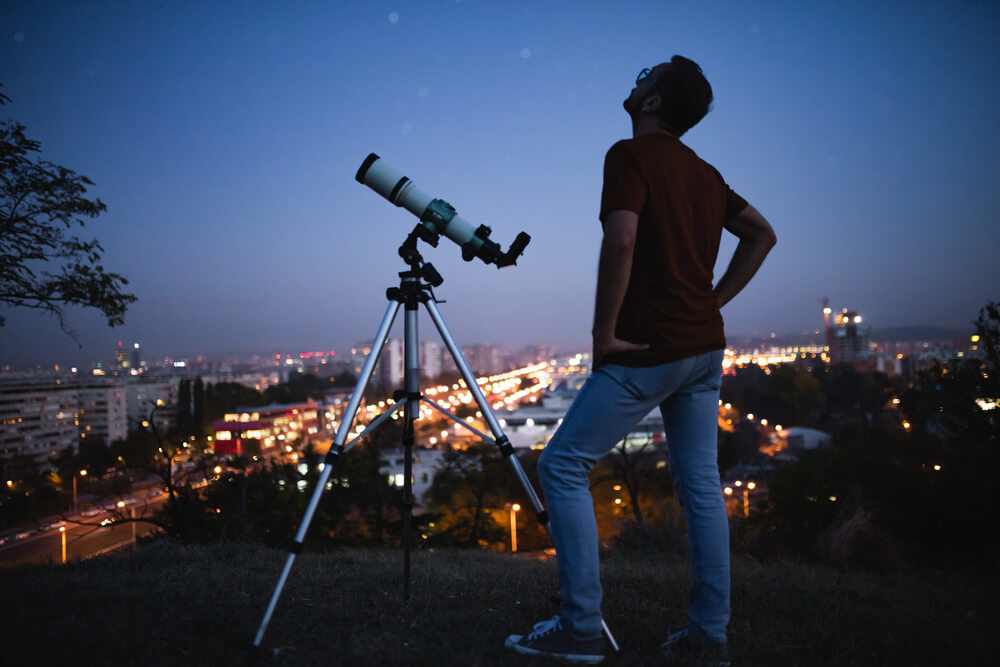
You don’t have to travel deep into the desert to find dark skies in Utah. Even if you’re staying near a larger town or metro area, great stargazing is often less than an hour away.
Start by looking at nearby Utah state parks and protected public lands. Many sit just outside city limits, where mountains, open desert, and wide valleys naturally block light pollution. Use a map to find parks on the edge of town, then plan a short evening drive after sunset.
Within 30 to 60 minutes, you can usually trade streetlights and traffic for quiet shorelines, canyon overlooks, or high mountain viewpoints with clear views of the night sky.
Settler’s Junction RV Is the Best Home Base for Stargazing in Utah
Settler’s Junction RV Resort makes it easy to trade city lights for clear desert skies without giving up comfort. After a day spent exploring Southern Utah’s red rock trails, national parks, and historic landmarks, you can return to a spacious, fully equipped site and watch the stars emerge over wide-open BLM land. It’s an ideal setting for unforgettable stargazing in Utah, where quiet nights and expansive skies create the perfect backdrop for relaxation.
If you’re planning your next night-sky getaway, choose Settler’s Junction RV Resort, the best RV park for stargazing near Zion that delivers both dark skies and resort-level comfort.