
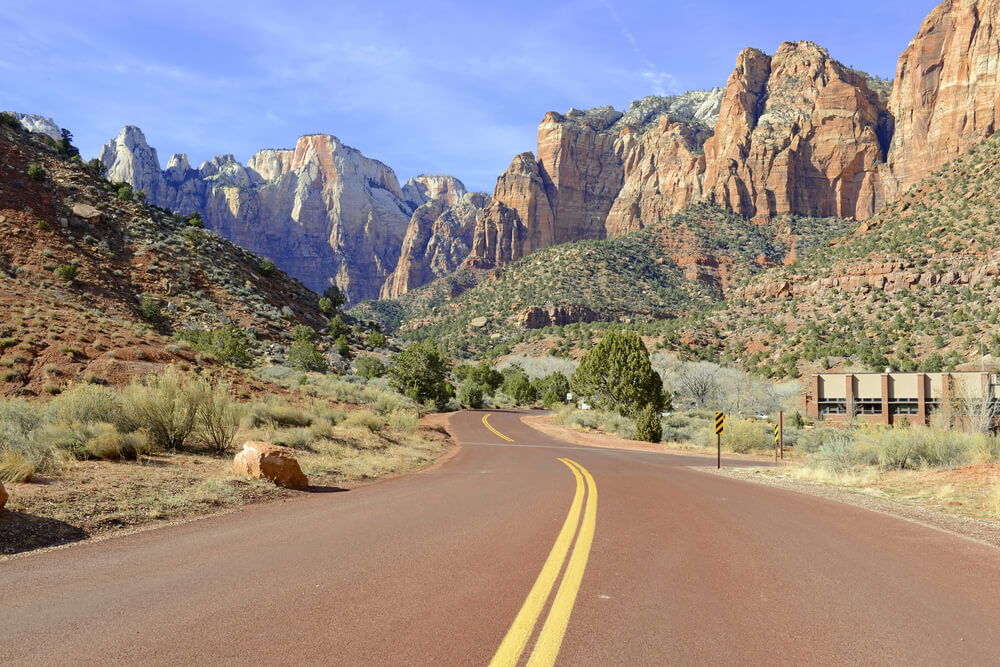
Your road trip from Zion to Capitol Reef can turn into one of the most memorable parts of your Southern Utah vacation when you know how to avoid stressful stretches and make room for the stops that are actually worth it.
Key Takeaways
- The easiest route from Zion to Capitol Reef is UT-9 to US-89, then UT-24, especially if you’re driving an RV or towing a trailer.
- If you take Scenic Byway 12, add stops like Bryce Canyon, Red Canyon, and Calf Creek Falls to make the drive to Capitol Reef part of the adventure.
- Visiting Capitol Reef is best in spring or fall, when cooler weather makes it easier to enjoy Fruita, Hickman Bridge, and Cathedral Valley.
Planning a drive from Zion to Capitol Reef gives you the chance to see some of Southern Utah’s best scenery in one trip. Whether you’re putting together a quick park-to-park drive or building a full Zion National Park itinerary, it helps to know which route feels safest, where to stop, and the best time to go.
What’s the Easiest Route From Zion to Capitol Reef?
If you want the least stressful drive from Zion to Capitol Reef, take UT-9 to US-89, then UT-24 to Capitol Reef. The roads are well-maintained, with fewer tight turns and steep drop-offs than some of the scenic alternatives. This route is also much easier if you’re towing an RV or trailer.
Scenic Byway 12
You may hear people recommend driving Scenic Byway 12, which connects US-89 to UT-24 through the town of Boulder. It’s considered one of the most beautiful drives in the country, and it truly is stunning.
That said, it can also be white-knuckle driving, especially with a trailer. Parts of the road are narrow, with tight switchbacks and very little shoulder. There are sections without guardrails, and the drop-offs can feel intimidating if you’re not used to mountain driving.
Driving from Zion in the winter can make it even more challenging, since snow or icy patches sometimes appear at higher elevations along the route. Many travelers save Scenic Byway 12 for a separate day trip without the trailer, so they can enjoy the views without worrying about maneuvering a larger vehicle.
How Far Is Capitol Reef From Zion National Park?
Capitol Reef is just under 200 miles from Zion National Park, and the drive usually takes around 3 hours without stops. Your total drive time depends on where you start in Zion, which route you take, and how often you stop.
What Are the Best Stops From Zion to Capitol Reef?
Depending on how many days you plan to spend and what route you take, the drive from Zion to Capitol Reef can become one of the best parts of the trip. Instead of rushing to your destination, turn the route into a mix of scenic pull-offs, quick hikes, and interesting stops that are just as memorable as the parks themselves.
Red Canyon
Red Canyon is one of the first places that makes the drive from Zion feel different. The red rock cliffs, roadside tunnels, and easy pull-offs give you a quick taste of the scenery that makes Southern Utah special.
The landscape here feels bold right away, with towering formations rising close to the road and bright layers of rock that seem to glow in the light. Short trails and viewpoints let you step into the scenery without adding much time to your trip, so it’s an easy place to enjoy the desert up close before continuing east.
Bryce Canyon National Park
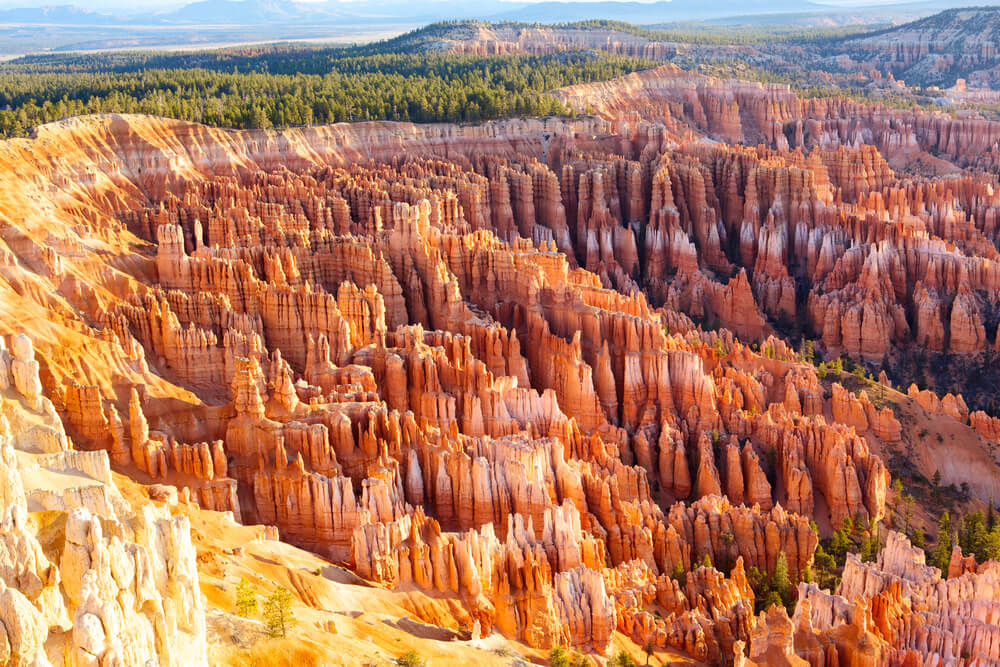
Bryce Canyon is one of the most popular stops on the way to Capitol Reef, and it’s easy to see why. The park’s orange hoodoos and wide canyon views look completely different from the cliffs and canyons you saw in Zion.
Instead of steep canyon walls, Bryce opens up into a huge natural amphitheater filled with rock spires, windows, and layered formations that seem to go on forever. Even a quick stop at Sunrise Point or Sunset Point gives you a wide view of the hoodoos and helps show how varied this part of Utah can be.
Kodachrome Basin State Park
Kodachrome Basin State Park feels quieter and less crowded than some of the bigger-name parks on the route to Capitol Reef. The landscape is filled with colorful rock formations and sandstone spires, with easy trails that let you enjoy the desert without a major time commitment.
This park has a more open and peaceful feel, with broad desert views and rock shapes that look different from the heavier canyon scenery nearby. It’s a nice change of pace if you want a stop that feels scenic but less busy, and it shows another side of Southern Utah that many travelers miss.
Grand Staircase–Escalante National Monument
As you keep heading toward Capitol Reef, stop in Grand Staircase–Escalante if you have time. This huge protected area is known for its cliffs, canyons and rock layers, which make the trip feel even more dramatic.
The scenery through this stretch feels bigger and more remote, with long views across rugged desert land and rock formations that keep shifting as you drive. This part of the route also gives you a good sense of why camping in Southern Utah appeals to so many travelers.
The Hogback
The Hogback is one of the most famous parts of the drive from Zion to Capitol Reef if you take Scenic Byway 12. This stretch of road runs along a narrow ridge, with sweeping views on both sides that make it one of the most unforgettable sections of the trip.
The scenery is incredible, but the drive can also feel intense because the road is narrow and the drop-offs on both sides can feel steep and exposed. Some sections have few barriers, so stay alert, drive slowly, and only take this route if you feel comfortable with mountain driving.
What Is There To Do in Capitol Reef?
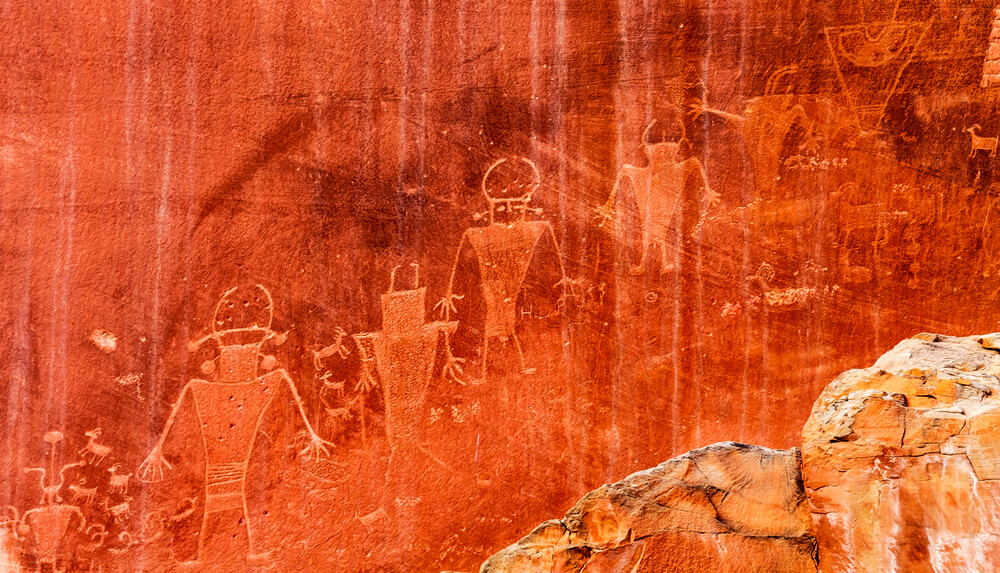
There’s plenty to do once you get to Capitol Reef National Park, but here are the highlights:
- Drive the Capitol Reef Scenic Drive: This 7.9-mile scenic road takes you past towering red cliffs, colorful rock layers, and desert valleys, with several pullouts and short trails along the way.
- Visit the Fruita Historic District: This historic area preserves the orchards and buildings of an early Mormon settlement, where you can walk through the orchards and sometimes pick seasonal fruit.
- Hike to Hickman Bridge: This 1-mile trail with about 400 feet of elevation gain leads to a natural stone bridge and offers sweeping views of the surrounding desert landscape.
- Explore Cathedral Valley: A remote area of the park with massive sandstone monoliths, such as the Temple of the Sun and Temple of the Moon. It features quiet desert scenery and some of the darkest night skies in Southern Utah.
Even if you only have one day to explore, Capitol Reef gives you plenty to work with. If you stay longer, the park starts to feel even more rewarding, especially once you get beyond the main road and into the quieter parts of the landscape.
When Is the Best Time To Visit Capitol Reef?
The best time to visit Capitol Reef is spring or fall. March through June and September through October usually bring milder temperatures that feel better for hiking, sightseeing, and long days outside. Summer can be very hot, and late-summer storms may bring flash-flood risks, while winter is quieter but can bring snow, ice, and seasonal road issues in some areas.
Settler’s Junction Is a Smart Stop Before Driving From Zion to Capitol Reef
If you’re planning a trip from Zion National Park to Capitol Reef, where you stay before hitting the road can shape the whole experience. Settler’s Junction RV Resort offers a comfortable home base near Zion, with quick access to I-15, Springdale, Hurricane, and St. George.
Spacious pull-through sites, full hookups, and Wi-Fi make it easy to settle in and recharge after a day of exploring. Before heading toward Capitol Reef, cool off in the pool, catch up on laundry, or relax with your furry friend in the resort’s pet-friendly spaces.
Get ready for the next leg of your Southern Utah drive and stay at Settler’s Junction, an unforgettable RV resort near Utah national parks.