
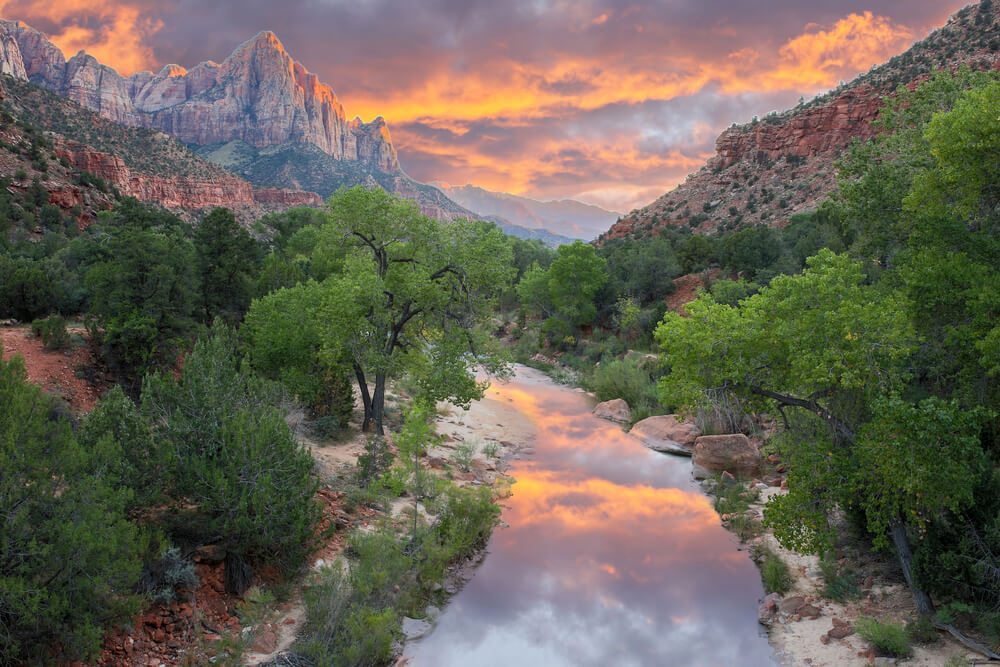
Utah’s National Parks—Zion, Bryce Canyon, Arches, Canyonlands, and Capitol Reef—are some of the most breathtaking landscapes in the United States. Each park offers its own mix of towering red rock formations, unique wildlife, and endless opportunities for outdoor adventure. But the time of year you go can make all the difference. When is the best time to visit Utah’s national parks?
When Is the Best Time To Visit Utah National Parks?
The best time to visit Utah National Parks depends on what you want to see, the kind of weather you enjoy, and how much solitude you’re after. Properly timing your trip can turn a great vacation into an unforgettable one.
Spring
March–May brings mild daytime temperatures, blooming wildflowers, and longer daylight hours. Trails are often less crowded than in peak summer, but melting snow can make some higher elevation areas muddy.
This season is one of the most rewarding times to visit because you’ll see the desert landscapes at their most colorful, with vibrant wildflowers against red rock backdrops. Wildlife is also more active, and the pleasant temperatures make it easier to explore long hikes without the extreme heat of summer.
Summer
While June–August is the busiest season to visit Utah’s national parks, longer days give you more time for activities. Plus, water-based adventures, such as river rafting in Canyonlands, are in full swing.
The main advantage of summer is access. Nearly all facilities, shuttle systems, and guided tours are running at full capacity, making it easier to see more in one trip. Families appreciate the predictability of warm weather and school vacation schedules, and adventure seekers can enjoy stargazing during some of the clearest desert nights of the year.
Fall
September–November offers cooler weather, fewer visitors, and golden light that photographers love. This season also brings vivid foliage in certain high-elevation areas.
Traveling in the fall means you’ll often find a perfect balance of good weather and smaller crowds. With trails less congested, it’s easier to experience solitude in some of the most popular parks, and the crisp autumn air creates ideal conditions for long hikes and scenic drives.
Winter
The most significant perk of visiting Utah’s national parks during December through February is the unique perspective. You’ll see landscapes transformed by snow and soft winter light, creating views that feel almost otherworldly. It’s also the best time for travelers who want solitude, discounted lodging rates, and the chance to photograph iconic sites without crowds.
When’s the Best Time To Visit Each of Utah’s Mighty 5 Parks?
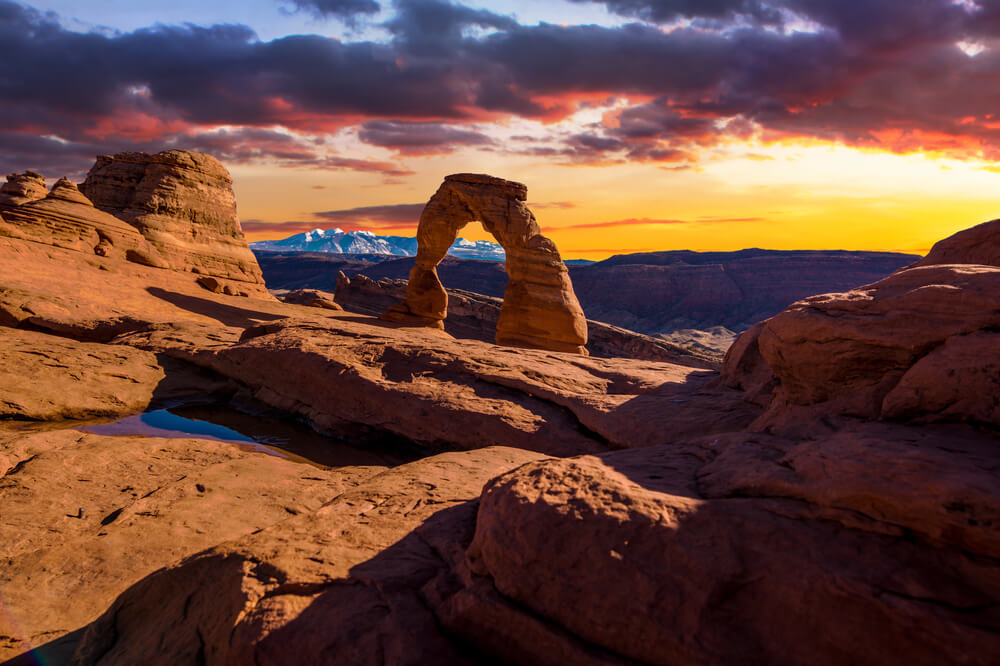
While seasonal trends give you a broad idea of when to visit Utah’s national parks, each of the Mighty 5—Zion, Bryce Canyon, Arches, Canyonlands, and Capitol Reef—offers its own highlights depending on the season.
Zion National Park
Spring and fall are ideal for a Zion National Park trip. Mild temperatures make iconic hikes like Angels Landing and The Narrows more comfortable, and the crowds are smaller than in summer. Summer can be rewarding if you start hikes early to avoid afternoon heat, while winter brings quiet trails and dramatic cliffs dusted with snow and the possibility of icy conditions.
Bryce Canyon National Park
Bryce Canyon is stunning year-round, but winter offers a magical view of snow-covered hoodoos under crisp blue skies. In summer, the park hosts astronomy programs that make the most of its dark skies for incredible stargazing. Spring and fall provide pleasant weather without extreme temperatures. If you visit in July or August, plan activities early in the day to avoid the largest crowds.
Arches National Park
Arches is best in spring and fall, when comfortable temperatures make exploring its 2,000 natural stone arches more enjoyable. In April and May, wildflowers dot the trails, adding vibrant color to the red rock backdrop. Come September and October, cooler air and clear skies create perfect conditions for hiking and photography. Summer heat can be intense, so plan shorter hikes or sunrise outings if visiting in June or July.
Canyonlands National Park
Canyonlands is at its best in spring and fall, when mild temperatures allow for longer hikes and challenging mountain bike routes without the risk of heat exhaustion. In summer, while daytime highs can soar, river rafting on the Colorado or Green Rivers offers a refreshing way to explore the park’s canyons from a different perspective. Winter brings solitude but also limited access to some remote areas.
Capitol Reef National Park
Capitol Reef sees fewer visitors than other parks in the area, which makes it a great choice if you want quieter trails. Fall is particularly special during the fruit harvest in the park’s historic orchards. Guests can pick apples, pears, and peaches while surrounded by golden foliage. Spring wildflowers add splashes of color to the desert scenery, and the cooler temperatures make for great hiking. Summer is warmer but still less crowded than other parks, while winter is peaceful and uncrowded.
Tips for Planning Your Utah National Parks Road Trip
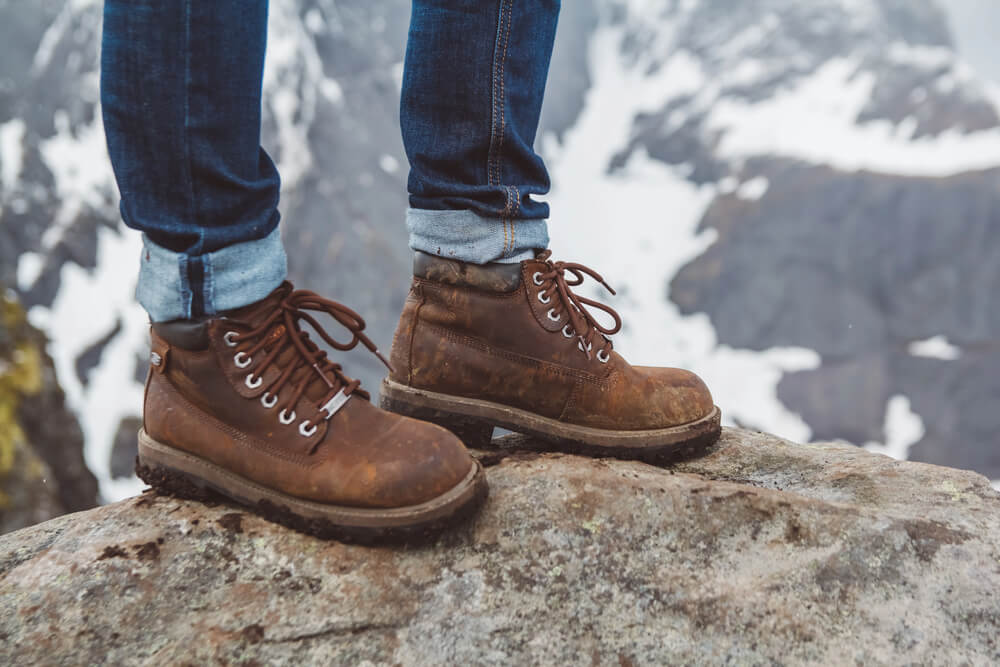
Utah weather can be unpredictable, even within a single day. Layering your clothing is a good idea, as mornings and evenings can be chilly while afternoons warm up quickly. Don’t forget sun protection, plenty of water, and sturdy hiking shoes.
If you’re planning to visit multiple parks in one trip, book accommodations early, especially if traveling in spring or fall when demand is high. For the ultimate flexibility, take your RV to the parks. Combining your lodging and transportation means you can move between destinations with ease, cook meals on the go, and stay closer to nature without sacrificing comfort.
Make the Most of the Best Time To Visit Utah National Parks
Ultimately, the best time to visit Utah national parks depends on your preferences. Spring and fall often offer the best mix of comfortable temperatures and manageable visitor numbers, but every season has its charm.
When you’re ready to explore, choose Settler’s Junction, the RV park near Zion National Park that puts adventure at your doorstep. Located within easy reach of Utah’s Mighty Five parks, Settler’s Junction’s prime location makes it the perfect base for your road trip.
With spacious pull-through sites, full hookups, wide paved roads, and premium amenities, you’ll have everything you need for a comfortable stay. Book your stay today at Settler’s Junction RV Park and experience Southern Utah the way it was meant to be explored.